



Why We Choose Film Cameras
One of the questions we’re often asked as film photographers is, “Why bother using a film camera?” It’s fiddly, it’s expensive, and you have to wait to see your pictures. With so many easier options available, why choose a process that seems to slow everything down?
I think back to my own beginnings with photography. When I started out in the early 2000s, digital cameras existed, but they were expensive and unreliable. The cameras I had access to at college produced pixelated images with unpredictable colour, and they were usually cheap point and shoots. It’s slightly ironic that these are now sought after for the very qualities that once frustrated me.
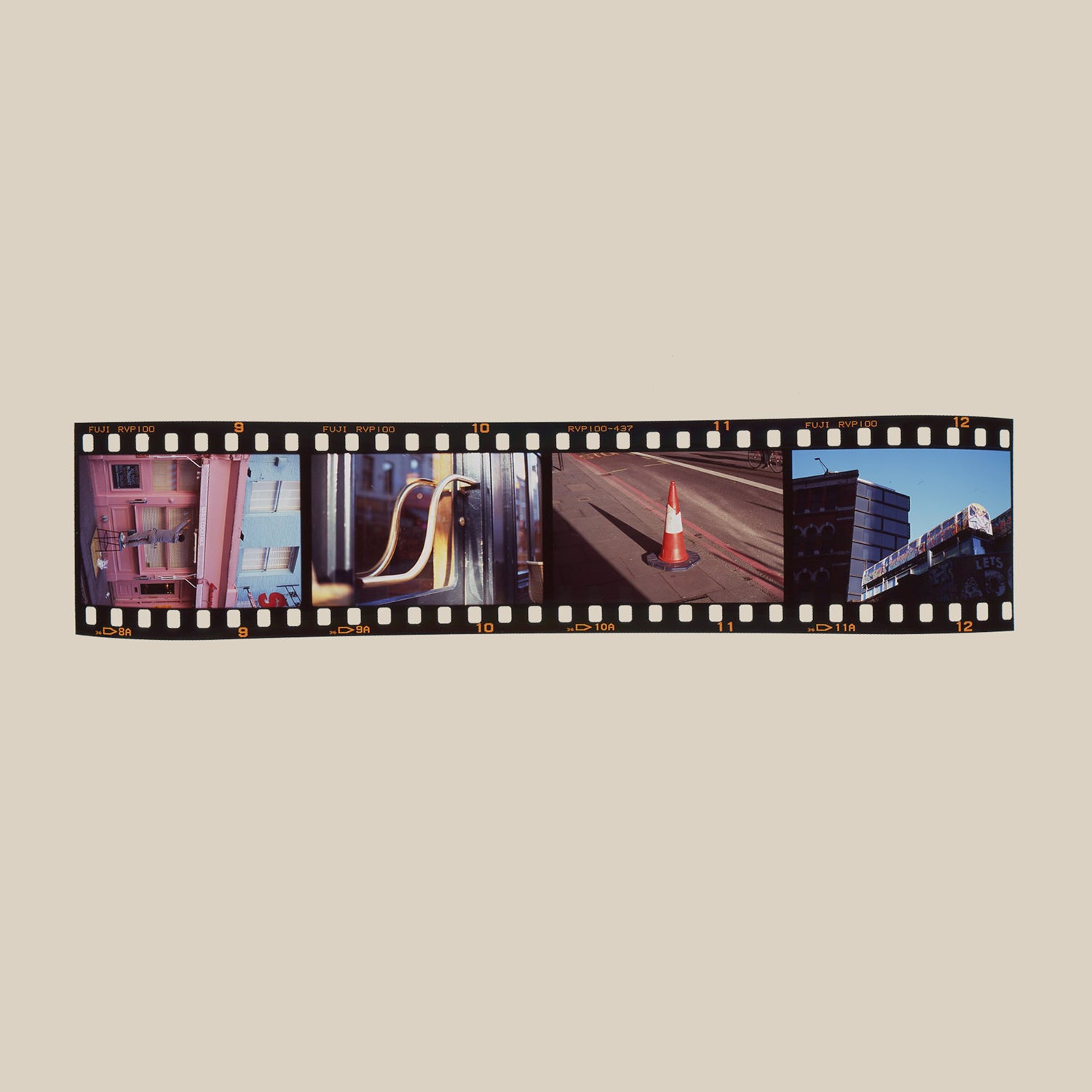
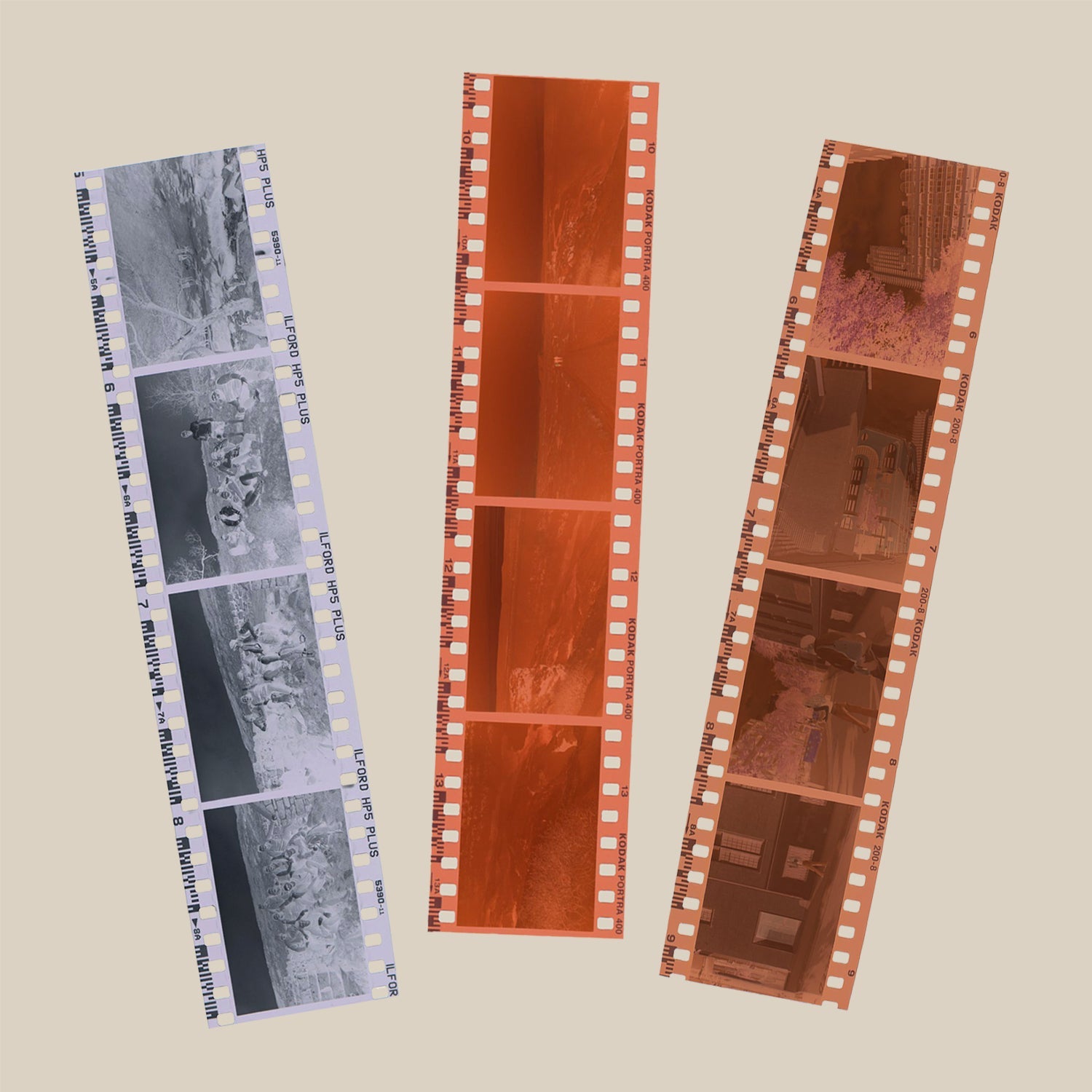
At the time, the cheapest way to learn photography was black and white film. I was studying photography and could buy a roll of Ilford HP5 400 ISO for around £1, bulk rolled into unlabelled canisters. I’d shoot a roll in the morning, return to the college darkroom, develop the film myself, then spend the afternoon trying to make prints. The photographs were bad and the prints even worse, but the process was compelling. It asked for time, attention, and patience, and it rewarded repetition.
As my practice developed, I continued working with film. I was using an old Canon FTb that my grandad had given me. It was heavy and slow, but I loved the way it rendered light and tone, and the particular view the lens gave me. Over time I learnt how it saw the world, and in doing so I began to shape how I saw it too. I didn’t fully understand aperture and shutter speed at first. I trusted the light meter, looked at the results, and learnt through making mistakes.
I’m aware that this experience was shaped by circumstance. Film happened to be affordable, and access to a darkroom allowed me to experiment freely. That freedom to fail was important. It makes me curious about how photographers learn now, in a world where the feedback is immediate and mistakes are easily erased.
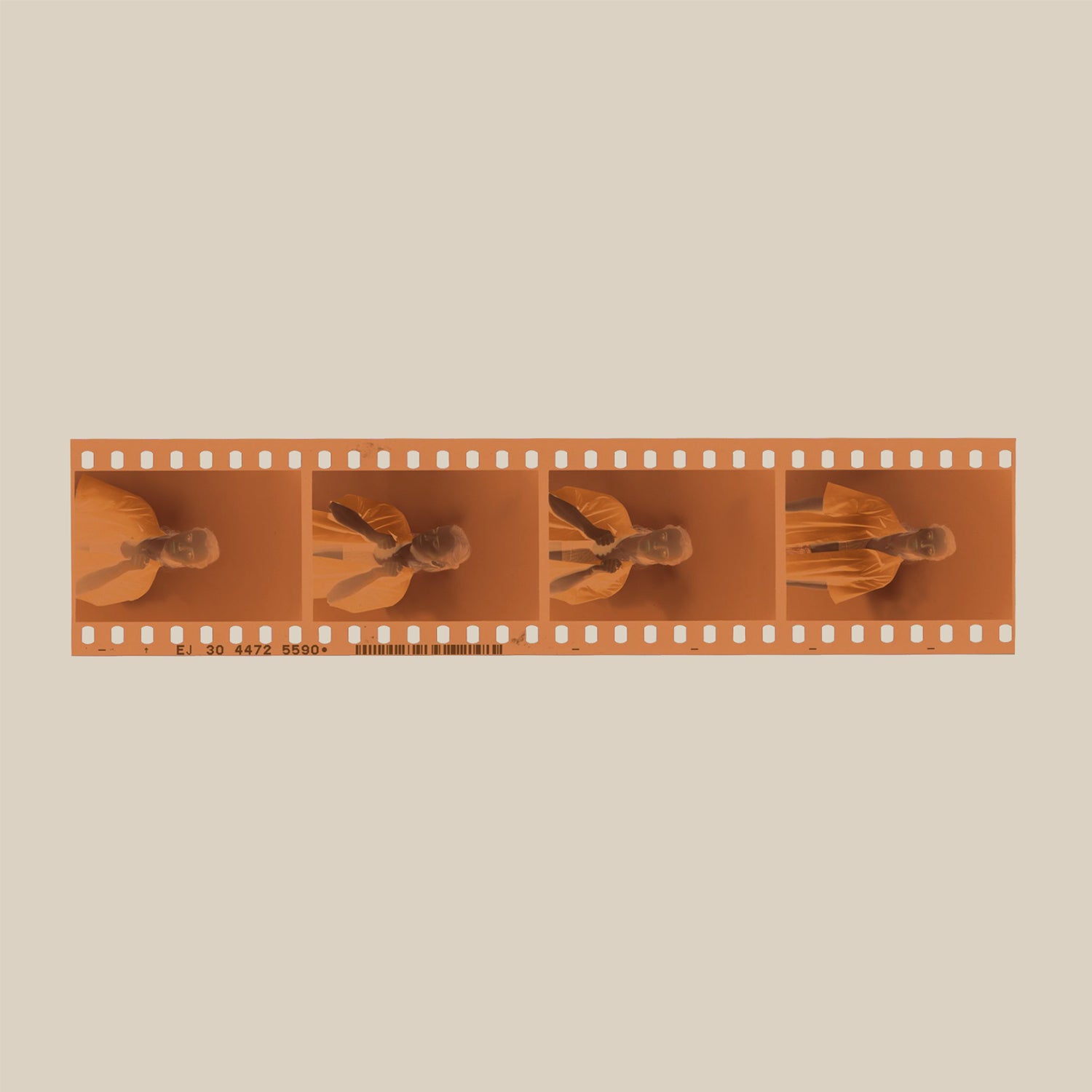
One of the most valuable aspects of working with film is the delay between making a photograph and seeing it. That distance matters. It creates space between the act of photographing and the act of judging the image. Magnum photographer David Hurn spoke about making contact sheets and then storing them for long periods before editing, allowing emotional attachment to fade so the work could be seen more clearly. Film naturally builds that distance into the process.
Working with film also introduces limits. A finite number of frames encourages care and attention. You begin to think before pressing the shutter, not because you have to, but because the process asks it of you. It also demands a working knowledge of the camera itself. Exposure, focus, and composition need to be understood rather than corrected later. Once those fundamentals are internalised, they recede into the background, freeing you to be more present with what you are photographing.
My own approach to photography is slow and deliberate. I use it as a means of expression and often work in long-form projects. Printing in the darkroom is central to my practice and extends the process beyond the moment the photograph is taken. If I were working in fast paced environments like sports, journalism, or commercial catalogues, digital would almost certainly be the right tool. Photography is shaped by context, and the camera is simply the means by which we work. That said, the tools we choose inevitably influence how we see and what we make.
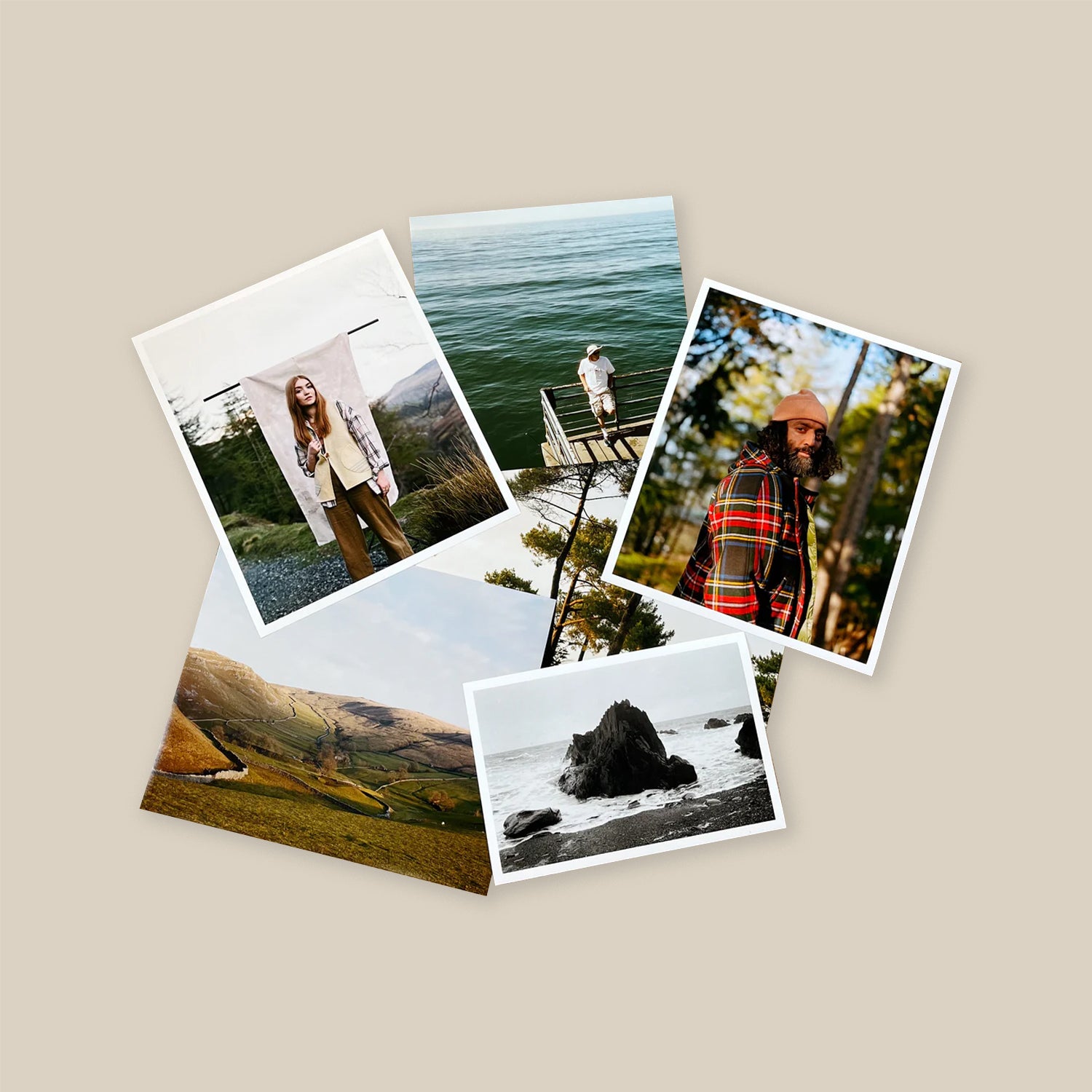
I choose film because I’m drawn to its aesthetic and to the physical processes that surround it. I like working slowly. I like limitations. I like images that feel closer to memory than documentation. For me, film continues to offer a way of working that aligns with how I want to look at the world.
If you’re interested in learning more about working with film, we run introductory film photography courses, including short evening sessions, full day workshops, and longer series of classes. These are designed to help you build confidence with film cameras and develop your photographic practice. Details of upcoming courses and events can be found here.


