



Aura 35 VS Noritsu: What's The Difference, And When Should You Choose It?
We’ve been running the new Aura 35 scanner for a year now, and since sharing about it, we’ve had a lot of customers asking great questions about how it works and why the scans from it might look a bit different compared to what they’re used to.
The answers come down to the way the Aura works compared with our 4 other trusty Noritsu HS-1800 scanners. Both scanners create beautiful scans, but they do so in different ways, and depending on your style and how you like to work with your images, you might find you prefer one over the other.
Let’s dive in and break it down.

What is the Aura 35 scanner?
The Aura 35 is a next-generation film scanner designed for professional labs. The Aura allows much more control than older Noritsu and Fuji scanners with the Aura Editor software. Rather than offering a single 'baked in' profile that delivers a finished look straight out of the scanner, the Aura software has lots of more intuitive density, contrast and colour controls which allow you to choose precisely how you'd like your scans to look.
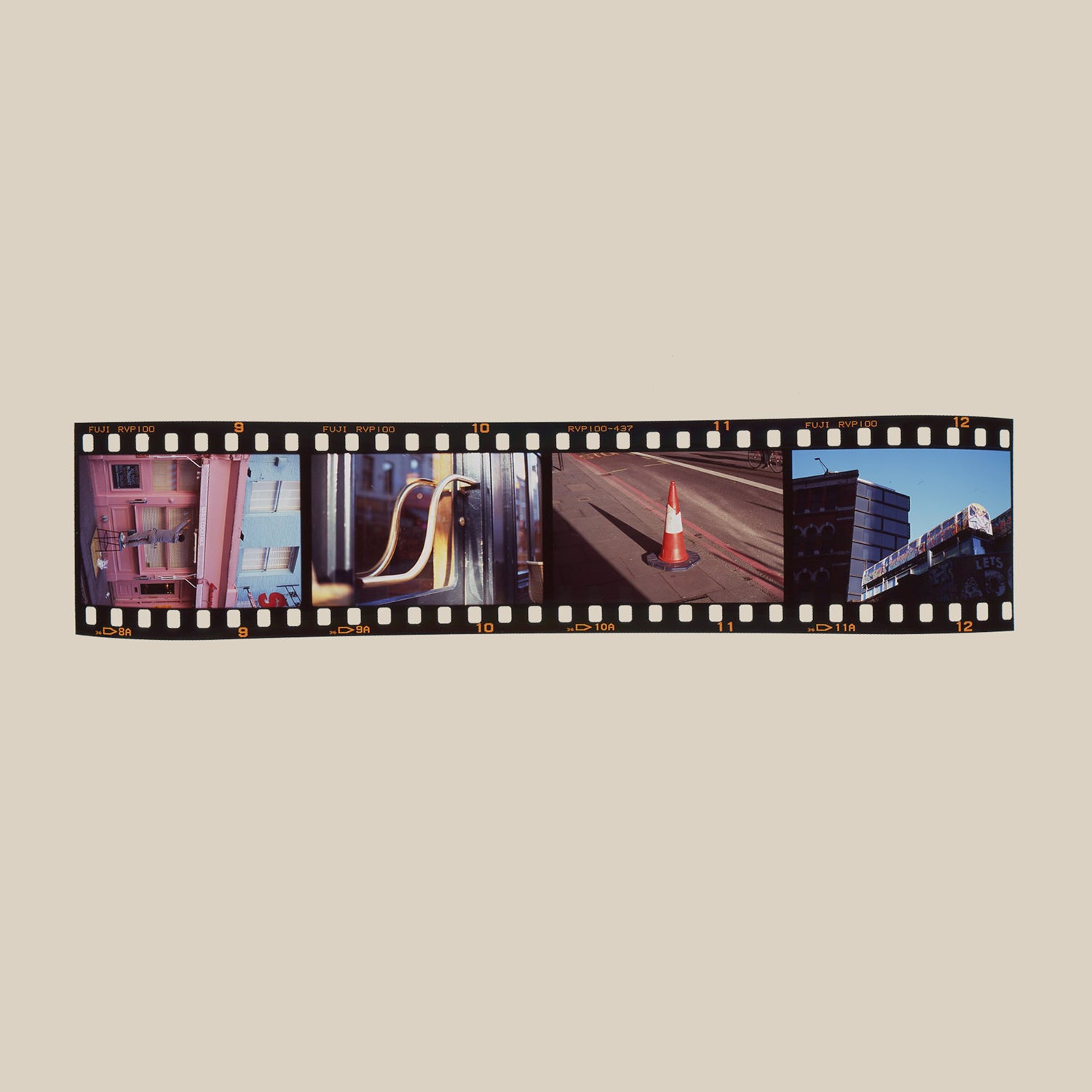
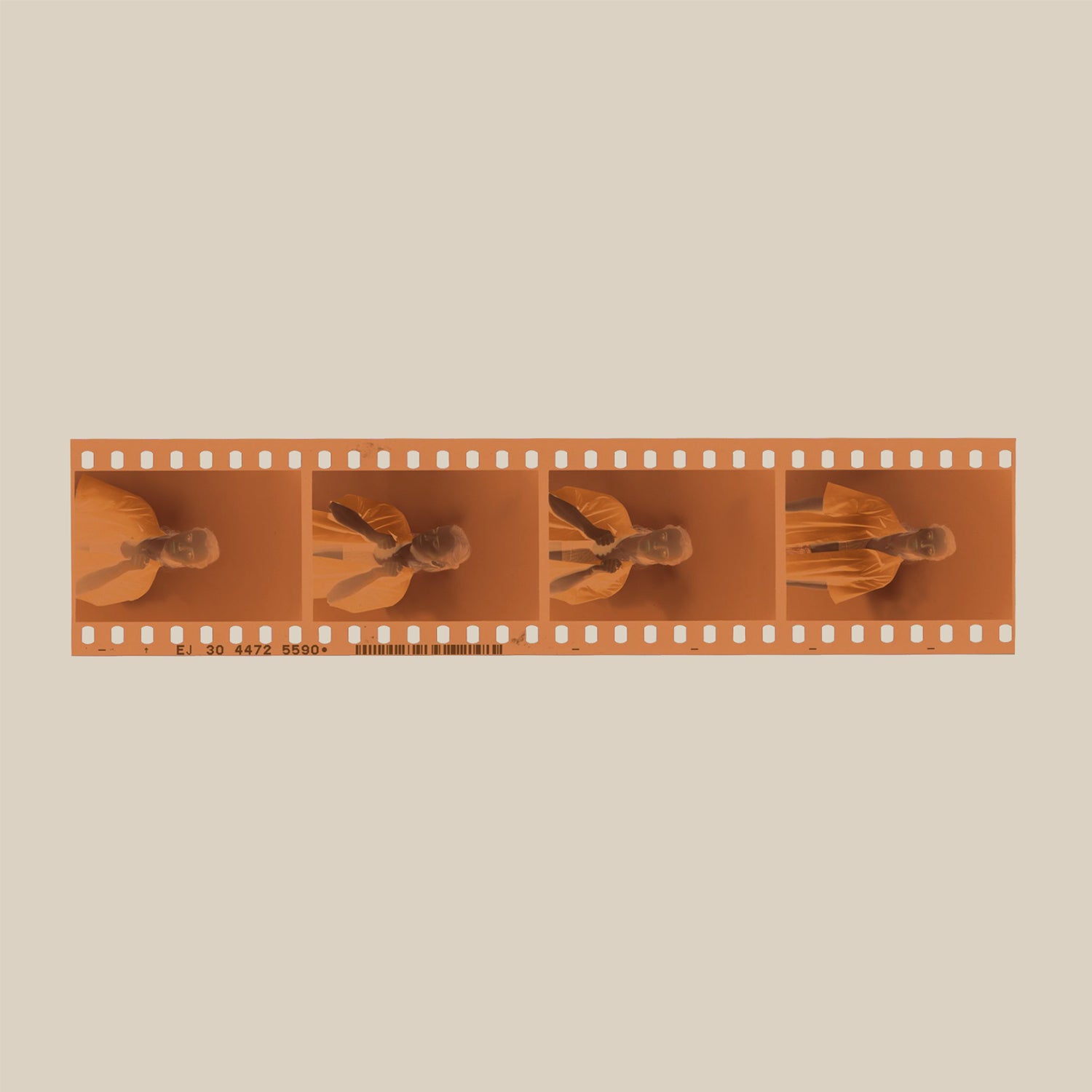
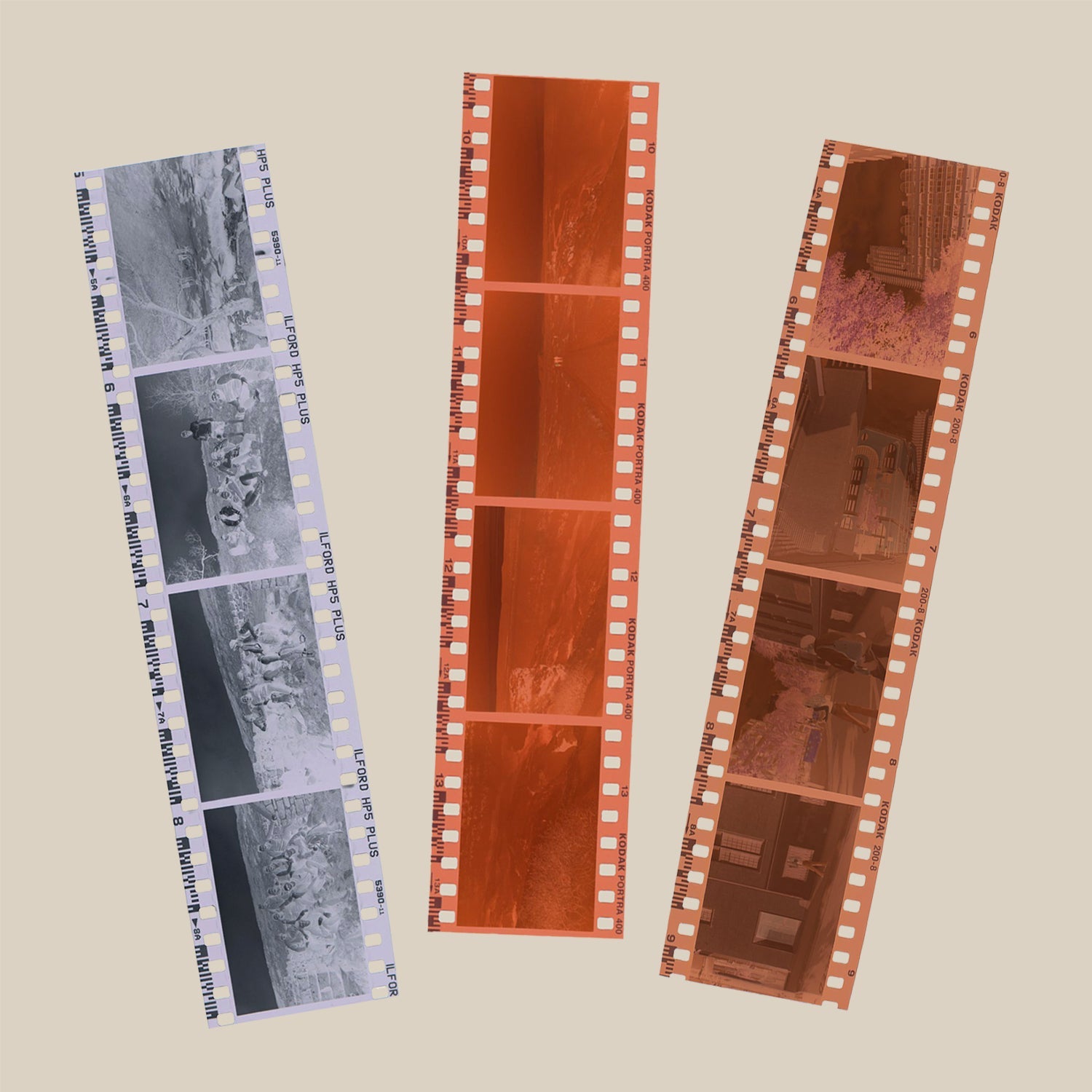
Another big benefit with the Aura is that it allows us to scan the full 35mm frame with a small amount of film border included (as you can see in the example scans). If you want this on your scans, just request them as 'uncropped' when ordering and we'll supply them like this!
Compared to the Noritsu (which tends to add warmth, contrast, and that classic film glow out of the box), the Aura keeps things more subtle and open. That means you get more editing flexibility and more detail in the highlights and shadows.
Side note: We were the first film lab in the UK to run the Aura scanner, and we’ve been heavily involved in its development. A lot of the fine-tuning and real-world improvements came from our direct testing and feedback.
Aura35 Tech Specifications
For those who like the more technical side of things, here are a few key features that make the Aura stand out from older scanners like the Noritsu:
- 4,000 dpi resolution: Capturing a high level of detail from your negatives.
-
New digital dust removal system: Reduces the need for manual clean-up.
- Extremely fast scanning speeds: Scans a colour 35mm roll at high resolution in just 2 minutes (B&W is even faster!).
- Improved colour management: Gives more accurate tones as well as more room to edit in the scanner/in post.
It’s a scanner built for serious lab use, with modern film workflows in mind. It’s designed to stay reliable, fast, and supported long-term.
What is the Noritsu HS-1800?
The Noritsu HS-1800 is a long-standing favourite in the film lab world, and for good reason. It’s reliable, consistent, and known for producing scans with a warm, rich character that many photographers love.
The Noritsu doesn’t just read the negative, it subtly enhances it. The scans often have more contrast, more saturation, and that signature “film” look baked in, straight out of the lab. For photographers who don’t want to spend time editing, or who want their scans to come back looking polished and ready to go, Noritsu is a strong choice.
Noritsu HS-1800 Tech Specs
While it’s an older machine, the Noritsu still holds its own:
- 3,200 dpi resolution – Delivers sharp, detailed scans suitable for most workflows
- Basic dust and scratch correction – Helps reduce visible marks (though not as advanced as Aura)
- Warm colour profile – Adds a filmic, contrast-rich look many photographers love
- Slower scan times – Reliable but less efficient for high-volume work
- Well-supported and field-tested – A staple in labs around the world for decades
The Noritsu is like your favourite 35mm camera - maybe not the newest on the block, but you know exactly what you’re getting every time.
Why do Aura scans look flatter?
Because they are! And that’s actually the whole point.
The Aura captures as much information from your negative as possible, without making creative decisions for you. That means the scan often looks more neutral, sometimes cooler in tone, and a little less contrasty than what you might expect from a Noritsu. This doesn’t mean it’s unfinished or that anything is missing. It just gives you more room to adjust things yourself, especially if you're working in Lightroom or applying presets. If you want warm skin tones, rich shadows, or pastel skies, you can dial those in yourself from the clean base the Aura gives you.
On the other hand, if you don’t want to do much editing and you like your scans to come back with a ready-to-share look, then the Noritsu might still be your favourite.
See the difference
Here are some side-by-side comparisons of Noritsu and Aura scans. You’ll notice that the Noritsu scans often have more punch straight out of the lab, while the Aura scans preserve more dynamic range, feel a little more open and neutral and show the full frame including a little of the film border. Both look great, it just depends on what you’re after.


Images taken by lab customer Alexander Hearn
So, which scanner should you choose?
That really depends on what you want from your scans. There’s no right or wrong choice, just different tools for different styles. If you like to edit your photos and want maximum control, the Aura might suit you best. If you prefer a finished look that matches the film aesthetic you know and love, the Noritsu is probably the better option.
The other benefit with the Aura is that it yields much better results with new/experimental films (eg. Harman Phoenix/Lomography Turquoise) better than the Noritsu does.
How to request a specific scanner
If you have a preference for Aura or Noritsu, just let us know when you place your order.
There’s a notes section at checkout, and that’s the best place to tell us what you’d like. If you don’t leave a note, we’ll use whichever scanner is available at the time. This helps us keep everything running smoothly and get your scans back as quickly as possible. But if you do have a preference, we’re always happy to accommodate when we can. Want to try Aura? If you’ve never had a roll scanned on the Aura and you’re curious, just leave a note on your next order saying “Aura scan”, or if you want to see them with the film border included just put a note saying "Scan Uncropped". It’s the easiest way to see the difference for yourself and figure out what works best for your shooting and editing style.
And as always, if you have any questions about scan types, film stocks, editing, or anything else film-related, just get in touch. We’re always happy to help!


